In with a bullet
Try these, and read on for more background.
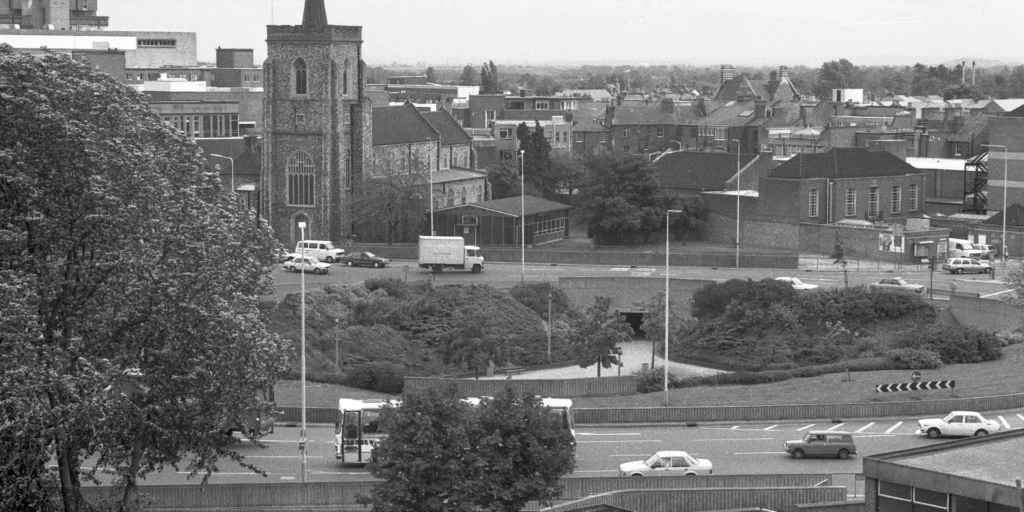
‘The same bit of carpet…’
Slough, Betjeman, and The Office at 25
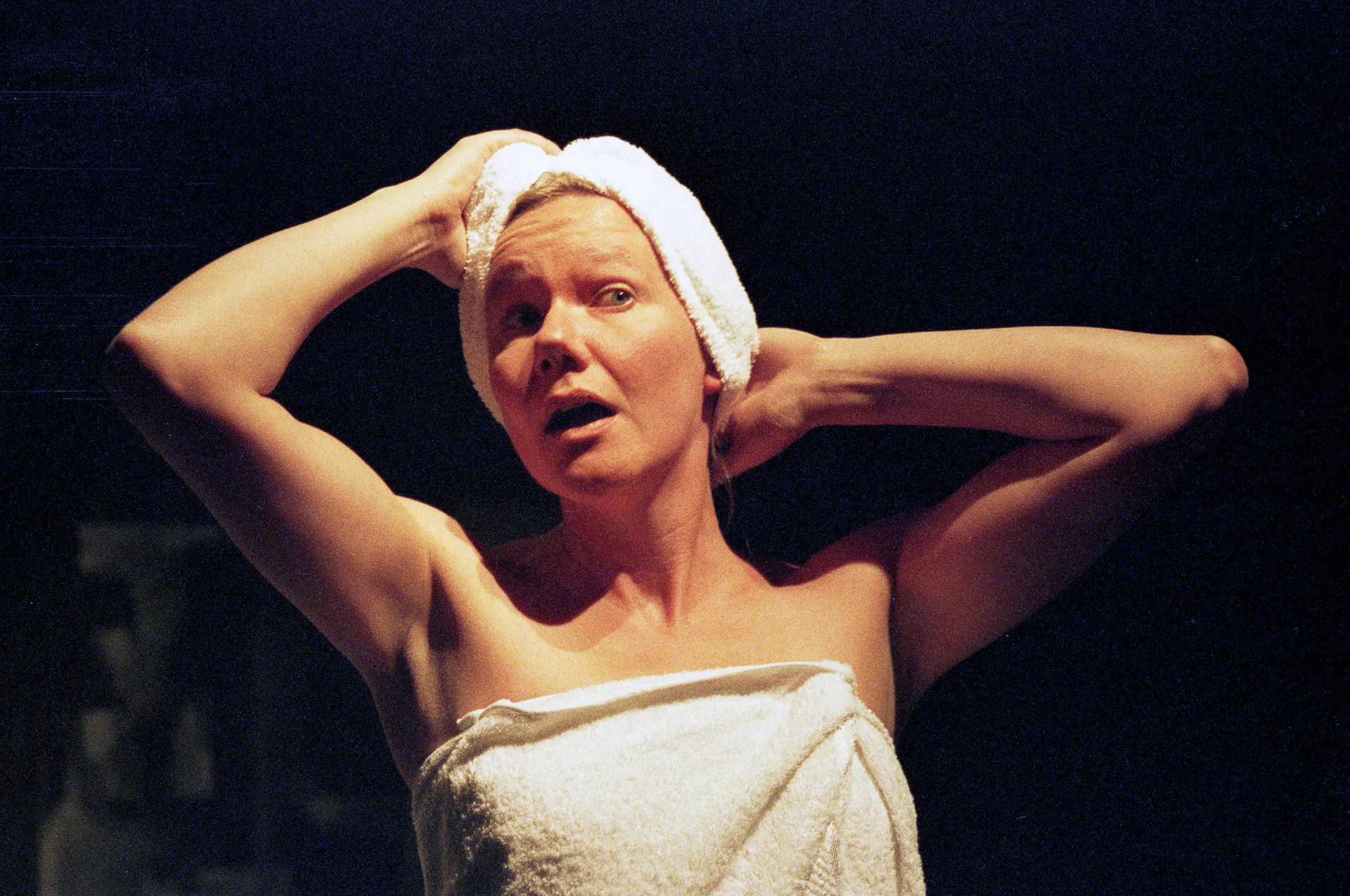
Inside Out at The Alma
From my 2006 Salt'n'Sauce production blog
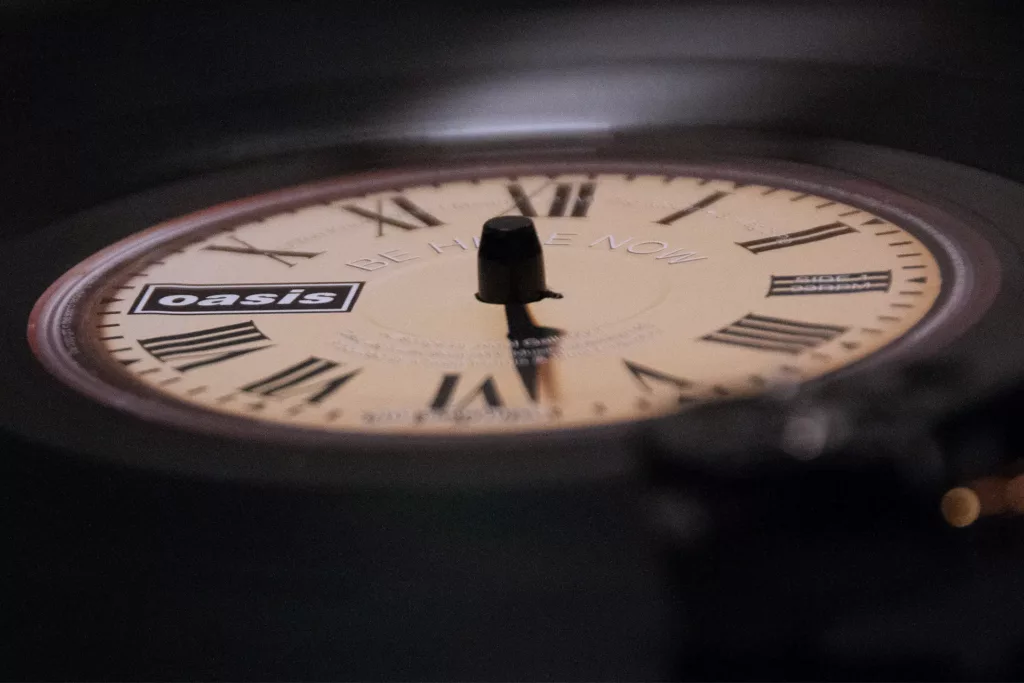
Back Here Now
Oasis's Be Here Now, revisited
Browse by book, record, or film to find your way around — each entry links to the posts it appears in.
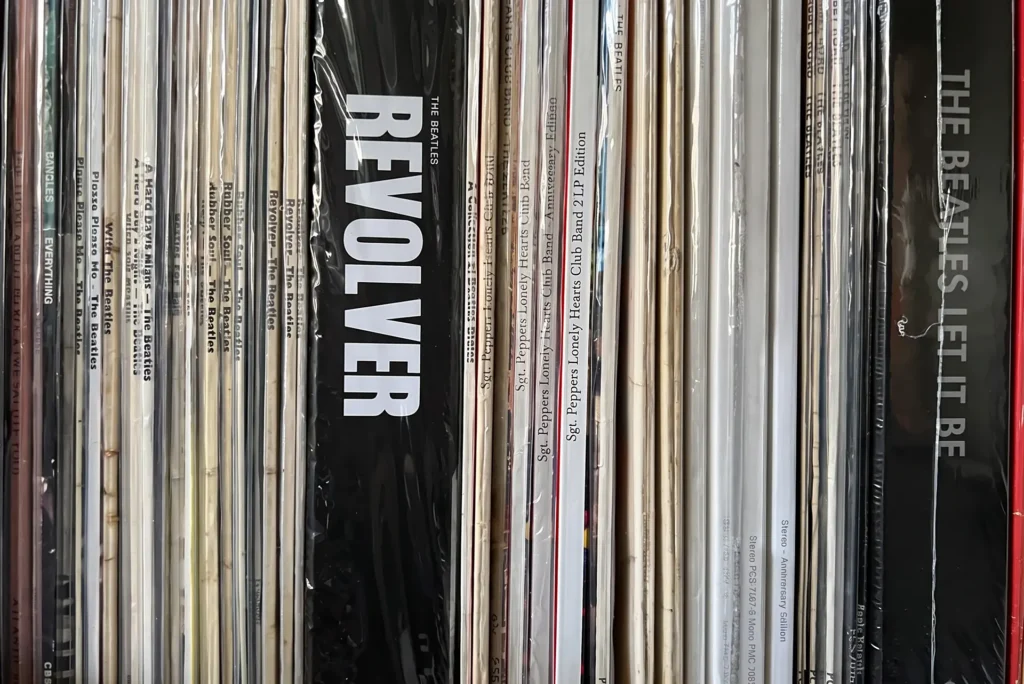
On the records
David Hepworth sees record collecting as an autobiographical act:
No matter how puny a young man's record collection it was also his life story, his diary and a treasure map showing the whereabouts of his often unspoken sensitivities.[1]
With this in mind, I started Spinning Right Round, a Sisyphean bid to blog my way through my record collection at random. In it, I'm not exactly reviewing my 300-plus albums, but instead recalling what I associate with them, plus any insights and observations I can muster (like the David Hepworth one above).
The series complements longer pieces on popular culture — what changed when music dematerialised, why first albums are difficult, and why, after 25 years of The Office, Slough should own the apparent put-down.
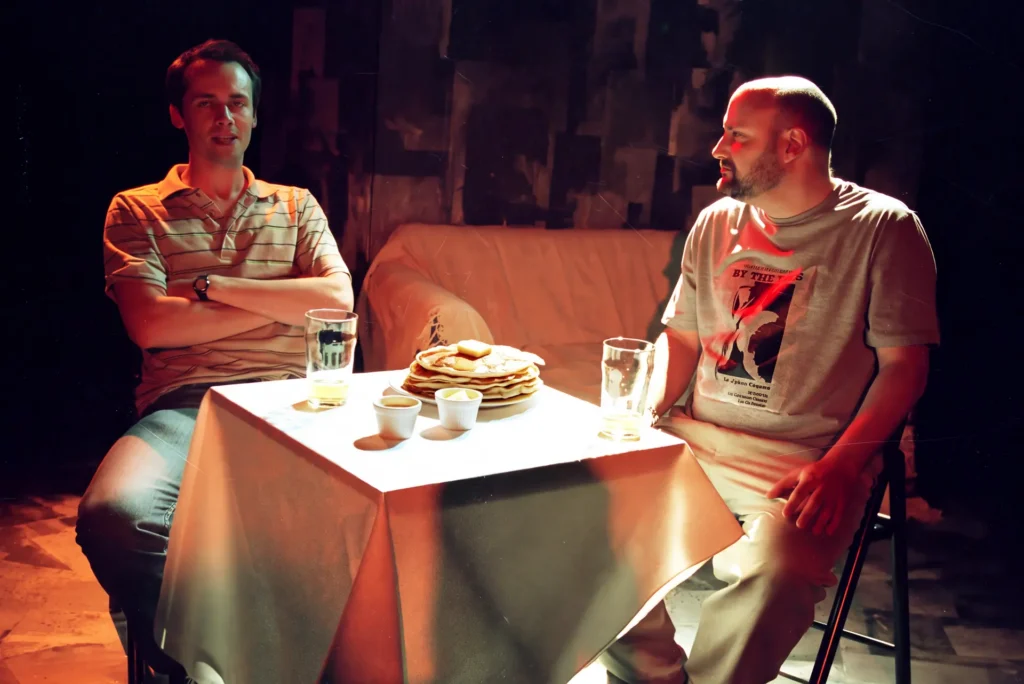
On the stage
Blog becomes memoir with a 2006 series I wrote when a play of mine went into production — from the first meeting through rehearsals to the night the tumbleweed rolled. I wrote it as it happened, so it records what I thought at the time rather than what I'd like to think I thought. Pages for the plays I've had produced are here too.
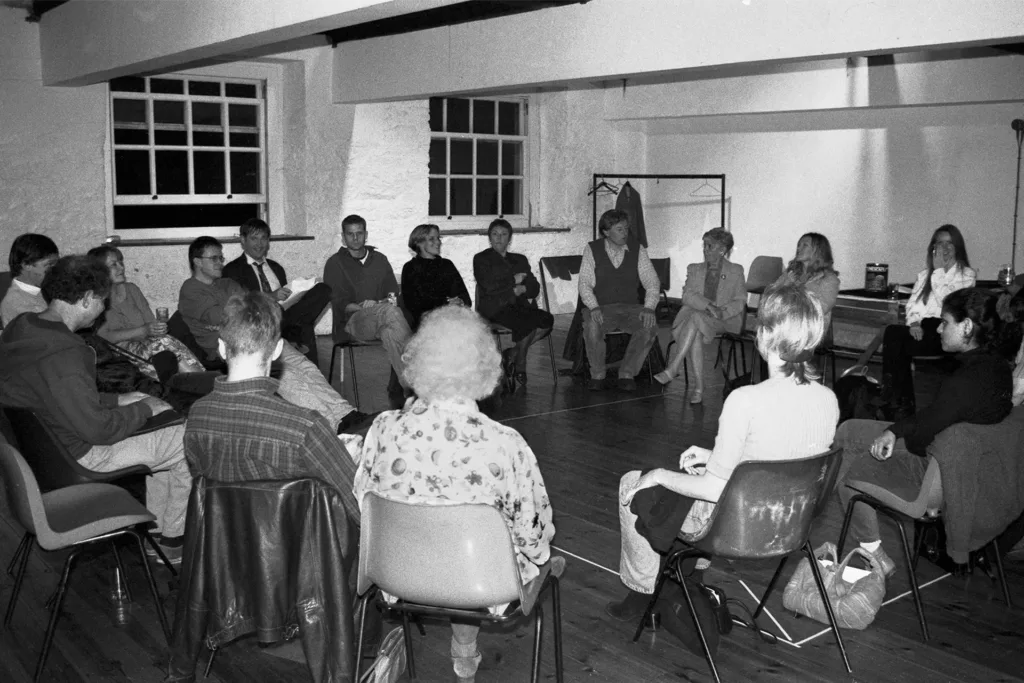
Out of the archive
Further back, and further afield: essays from my 1995 MA, including one on Dennis Potter and another on the writer and interactive multimedia, a piece on how best to contribute to writers’ groups, and a walkthrough for the server this site runs on, which I built and maintain myself.
I've been writing scripts since childhood. I hold an MA in the Teaching and Practice of Creative Writing and a PhD in Creative and Critical Writing, both from Cardiff University. My play Bacon Sandwich won the Training and Performance Showcase Drama Writer of the Year Award in 2004.[2]
For two decades I organised and led the workshops of Southwest Scriptwriters at Bristol Old Vic, the Famous Royal Navy Volunteer, and Watershed. We held regular scratch readings to develop scripts, and I gave feedback on many of them. I've been paid to do the same for writers privately, and I've done script development for Brass Works Theatre since 2011.
Subscribe!
Posts arrive intermittently and can be long. Subscribe, and you'll get a note with an excerpt when one does.

The Ghost of a blog
I also keep a smaller blog about this one — writing about writing, and about why this site took eight years to get going.
Notes and references